The most extraordinary experiences in the world are not for sale in any traditional sense. They are unlocked, through relationships built over years, by people who understand that what affluent travelers truly seek is not better access to what everyone else has, but access to what almost no one else can reach.
This is the world of exclusive private experiences, and it is quietly redefining what luxury travel means.
From Possession to Access
There was a time when luxury was measured in things. The right watch. The right car. The right seat in the right room.
For those who already own everything they could reasonably want, the meaning of luxury has shifted entirely.
Today, the most discerning travelers are no longer asking what they can buy. They are asking what they can experience.
And the answer, increasingly, lies not in better products but in deeper access.
The shift has been profound. A two-week journey designed around closed-door encounters with artists, historians, scholars, chefs, and craftsmen has come to feel more meaningful than any acquisition.
This is why exclusive private experiences have become the most coveted form of luxury, and why the people who curate them have become indispensable to a particular kind of traveler.
What Insider Access Really Means?
VIP access, in its conventional form, often means a faster lane through a turnstile or a slightly better seat at a public event. This is not what we mean by access.
True insider access is something altogether different. It is the ability to step into a space, a conversation, or a tradition that is not generally available, and to do so with a level of intimacy that makes the experience genuinely meaningful.
It is dinner in the private residence of a family that has been part of a city’s cultural life for generations. A morning in an artist’s studio with the artist herself, talking through a body of work that has only ever been seen in finished form. An afternoon spent inside a monument that has been closed to the public for the day, walking through it with the historian who has spent her career writing about it.
These moments are made possible by relationships, years of trust, and mutual respect. A reputation that opens doors not because of what is paid but because of how one arrives.
This is the layer of travel that exists above the transaction.
The Experiences That Define a Different Kind of Luxury
The range of what becomes possible through genuine insider access is wider than most travelers imagine.
Private museum tours, conducted after the public has left, transform institutions that can feel overwhelming during the day into spaces of contemplation. The Vatican’s galleries at dusk. The Louvre with no one ahead of you.
The Uffizi led by a Renaissance scholar who pauses at the works that move her most. The same paintings, the same sculptures, but the experience of seeing them is fundamentally different. There is room to think. To feel. To stay longer than the crowd would allow.
Closed-door visits to monuments at sunrise or sunset bring a similar quality of stillness. The Taj Mahal in the first light of morning, before any visitors arrive, accompanied by a custodian who can describe the inlay work in detail.
A private moment at Petra long after the day’s tourists have left, with the carved facades catching the last gold of the desert sun.
These experiences are not about exclusivity for its own sake. They are about the way silence and light transform a place that otherwise resists intimacy.
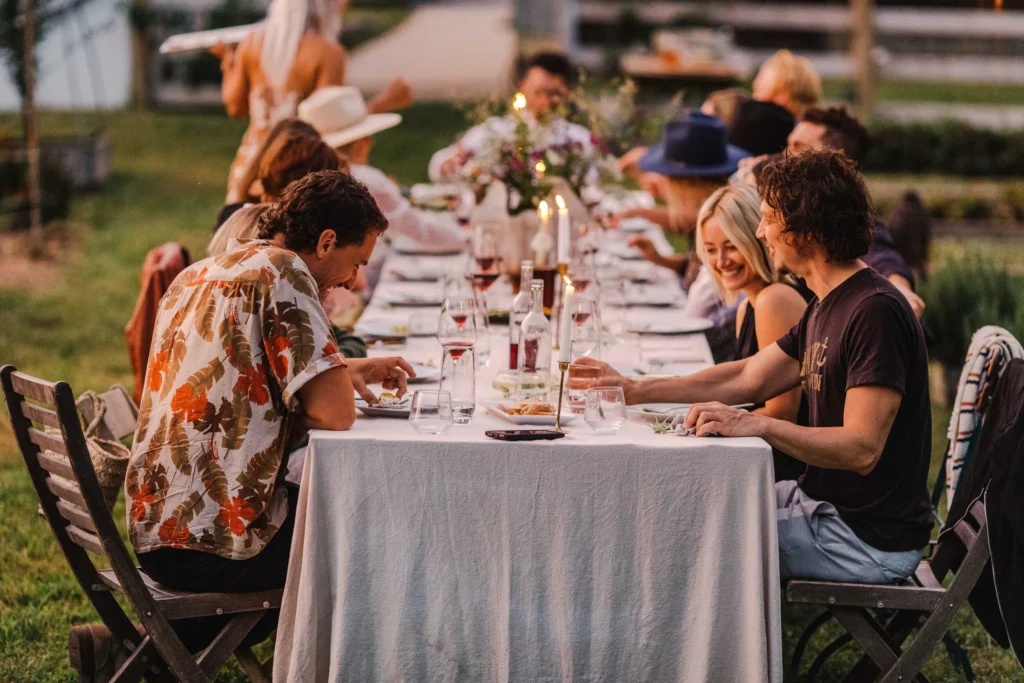
Dining in private homes is one of the most quietly extraordinary categories of experience. A Michelin-starred chef agrees to prepare a single dinner in a historic residence not normally open to outsiders, perhaps in a Venetian palazzo or a centuries-old riad in Marrakech.
The setting is not a restaurant. The meal is not on a menu. The evening unfolds for you alone, often with the chef joining the table for a portion of the meal to talk about the dishes, the ingredients, and the history of the house itself.
Invitation-only cultural encounters round out what curated experience design can offer. A private audience with a master craftsman in Kyoto whose family has practiced the same art for centuries.
A conversation with a winemaker in Burgundy whose cellar is open only to friends. A morning with an indigenous elder in the highlands of Latin America, sharing perspectives that no published account has ever captured.
These are not performances arranged for visitors. They are real encounters, carefully facilitated by people who hold the trust of both sides.
What unites all of these experiences is the same essential truth. They cannot be searched, browsed, or booked. They are only ever arranged.
Why These Doors Do Not Open Without Help?
A reasonable question follows naturally. If these experiences exist, why are they not more widely available?
The answer lies in the relationships that make them possible.
The custodian of a private residence in Florence does not advertise.
The curator of a major museum does not respond to general enquiries about after-hours access.
The artist whose studio you might visit does not maintain a booking calendar.
These individuals are protective, often rightly so, of their time and their space. They open their doors only when an introduction is made by someone they trust, on behalf of a guest who will respect the privilege of being there.
Building those introductions takes years. Maintaining them takes consistent care. And translating them into curated experiences for clients takes a particular combination of cultural knowledge, discretion, and personal warmth that few travel providers possess.
This is why the most rewarding experiences in the world remain hidden from the casual searcher, no matter how willing they are to pay.
The Quiet Role of the Curator
The work behind these encounters is largely invisible. By the time you walk into the gallery, the introductions have been made. The timing has been arranged. The expectations on both sides have been gently calibrated.
What you experience is the moment itself. What sits beneath it is months, sometimes years, of relationship-building.
At The Luxury Retreats, we approach experience curation with this understanding. Our services are built on long-standing relationships with cultural custodians, artists, scholars, chefs, and historians across the world’s most fascinating destinations.
What Do These Experiences Leave Behind?
The lasting value of curated access is not in the photographs or the stories told afterward. It is in something quieter and more enduring.
A deeper understanding of a place. A relationship, however brief, with someone whose work or life has expanded your own.
A recognition that the world contains more depth than even seasoned travelers have access to, and that this depth is worth seeking out.
Travelers return from journeys built around exclusive private experiences changed in ways they often struggle to articulate. The encounters stay with them. The conversations replay. The texture of those moments shapes how they think about travel, and sometimes about life itself.
This is the real currency of contemporary luxury. Not what you possess, but what stays with you.
Speak with Our Experienced Curators
For those seeking moments that exist beyond the reach of traditional travel, a conversation with the right curator is often where the journey truly begins.
If a particular kind of access has been calling you, we would welcome the conversation.
Speak with our experienced curators.
Frequently Asked Questions
What are exclusive private experiences in luxury travel?
They are rare, invitation-only encounters arranged through trusted relationships, including after-hours museum tours, dinners in private residences, and meetings with artists, historians, and cultural custodians.
How can travelers get VIP access to cultural sites?
Genuine VIP access typically requires curated introductions through experienced travel partners with established relationships at major institutions, allowing for closed-door visits and curator-led tours.
Are private museum tours worth it?
Absolutely. Private museum tours offer the rare opportunity to experience world-renowned collections in stillness, with personalised commentary from curators or scholars who bring the works to life.
What makes insider access different from premium travel packages?
Insider access is built on relationships rather than transactions, unlocking experiences that are not publicly available and cannot be booked through any standard channel.
How far in advance should these experiences be planned?
For the most sought-after encounters, three to six months in advance is recommended, though some experiences require even longer lead times to coordinate with the individuals or institutions involved.