The grandmother is reading on the terrace with a cup of chai, watching the light shift across the hills.
Her grandchildren are somewhere below, following a naturalist through a garden, learning the names of birds they have never seen before.
Their parents are at the breakfast table, unhurried for the first time in months, talking about nothing in particular.
No one had to coordinate this morning. No one had to sacrifice what they wanted so someone else could have what they needed. Every person in the family is exactly where they want to be, and the day has only just begun.
This is what multi-generational luxury travel looks like when it is designed with care. Not a compromise between competing needs, but a composition where every generation finds its own rhythm within a shared journey.
It is also one of the most complex kinds of travel to plan well. And that complexity is precisely why, when it works, it becomes the holiday the family talks about for years.
Why Families Are Choosing to Travel Together
There is a quiet shift happening among families. Milestone birthdays, anniversaries, and reunions are becoming reasons not for a dinner or a party, but for a journey.
A week together in a place that none of them have seen before, shared across generations in a way that daily life rarely allows.
The reasons are deeply emotional. Grandparents want time with grandchildren that extends beyond an afternoon. Parents want their children to experience the world alongside people who carry the family’s history.
And children, far more than we give them credit for, absorb these experiences in ways that shape who they become.
Multi-generational luxury travel has grown because families have recognised something important: shared travel creates a kind of closeness that nothing else replicates.
But it only works when the planning accounts for the fact that a seven-year-old and a seventy-year-old experience the world very differently.
The Hidden Complexities No One Talks About
The beauty of a multi-generational holiday often obscures just how much thought it requires. The challenges are real, and they tend to surface at exactly the wrong moment if they haven’t been anticipated.
Every generation travels at a different pace. Grandparents may prefer slow mornings, gentle walks, and early dinners. Parents may want a balance of activity and rest. Children need stimulation, movement, and the freedom to explore.
When these rhythms clash, tension follows, even in the most loving families.
Accessibility is another consideration that is frequently overlooked until arrival. A property with steep steps, a restaurant reached only by boat, or an excursion that involves long stretches of walking can quietly exclude the very people the trip was designed to honour.
Comfort and mobility need to be factored into every decision, not as an afterthought but as a starting point.
Then there is the paradox of togetherness. Families travel together because they want to be together, but they also need space apart.
Without built-in moments of privacy, the closeness that felt so appealing in concept can begin to feel suffocating in practice.
The best multigenerational planning accounts for this from the outset, creating a structure that allows the family to come together and drift apart as naturally as breathing.
And finally, the logistics. Transfers for eight people instead of two. Dietary requirements that span three generations. Activities that need to run in parallel. Medical considerations that require discretion.
These details multiply fast, and when they are left to one family member to manage, that person often spends the entire trip working instead of resting.
The Concierge Approach: Designing Harmony
This is where expert curation transforms the experience entirely. A concierge-led approach to multigenerational planning does not simply organise logistics. It designs harmony.
It begins with understanding each generation’s preferences before a single booking is made.
What does the grandmother love?
What makes the teenager feel included rather than dragged along?
What does the host of the trip need most, and is it almost always permission to stop managing?
From there, the itinerary is built with parallel tracks.
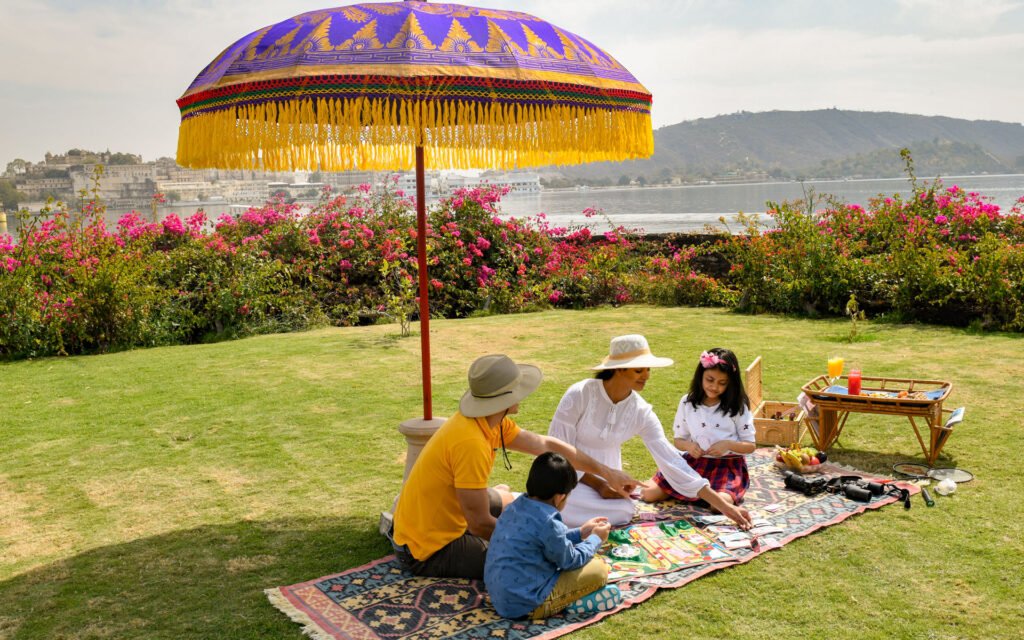
A morning where the grandparents enjoy a private cooking class while the parents take a guided hike and the children spend time with a naturalist or storyteller.
An afternoon where everyone reconvenes for something shared, a boat ride, a sunset walk, a family meal prepared by a private chef.
The day holds structure without rigidity, and every person feels that their experience was considered.
At The Luxury Retreats, this is the philosophy behind our approach to family travel. Our services are built around the understanding that the most successful family journeys are the ones where no single person carries the weight of planning.
We take that weight entirely, so the family can focus on each other.
Experiences That Work for Everyone
The key to a great multi-generational journey is not finding one activity everyone agrees on.
It is designing a day where multiple experiences unfold alongside each other and converge at just the right moments.
Private cultural tours led by engaging local guides can captivate grandparents and older children at the same time.
Nature and wildlife experiences offer wonder for every age, from a six-year-old seeing an elephant in the wild for the first time to a grandparent who thought they had seen everything.
Wellness and relaxation give the older generation the restoration they need while younger travelers recharge at their own pace.
For children, the most memorable parts of a trip are rarely the ones adults expect. It is the afternoon spent learning to make pottery with a local artisan. The morning a guide taught them to track animal prints in the sand. The evening they were allowed to help the chef plate dessert.
These moments matter because they were designed with the child in mind, not added as an afterthought.
Destinations That Naturally Suit Families
Certain places lend themselves beautifully to multi-generational travel because they offer enough variety to satisfy every interest without requiring exhausting logistics.
Italy remains one of the finest choices. The pace of life, the food, the art, and the landscape create a setting where every generation finds something that speaks to them. A villa in Tuscany with a private chef, a morning at a local vineyard, and an afternoon by the pool is a day that pleases everyone without anyone having to try.
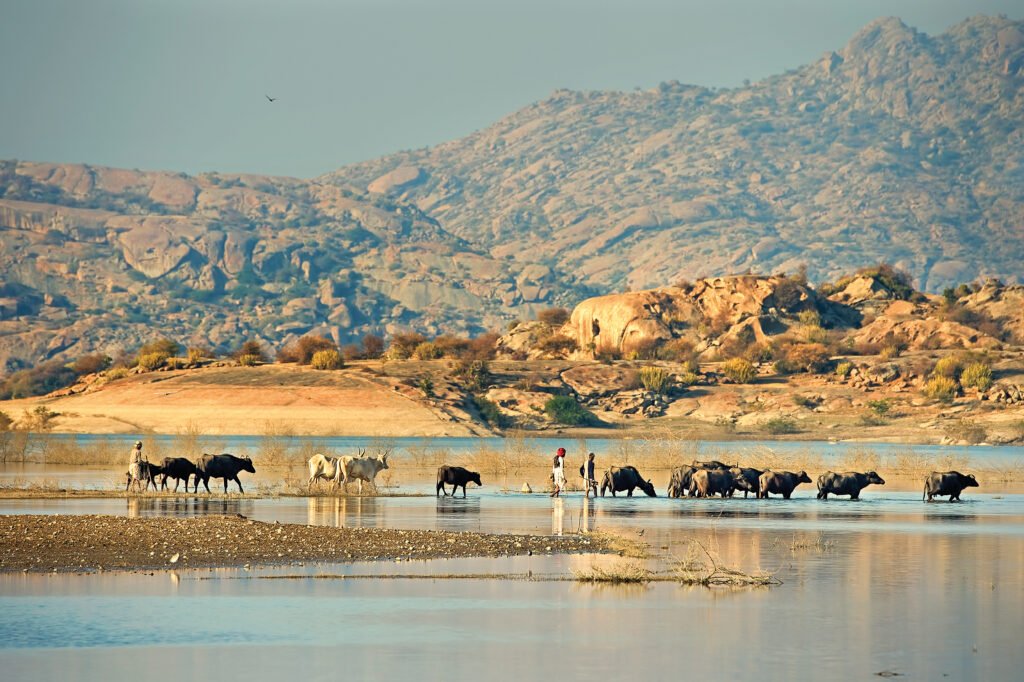
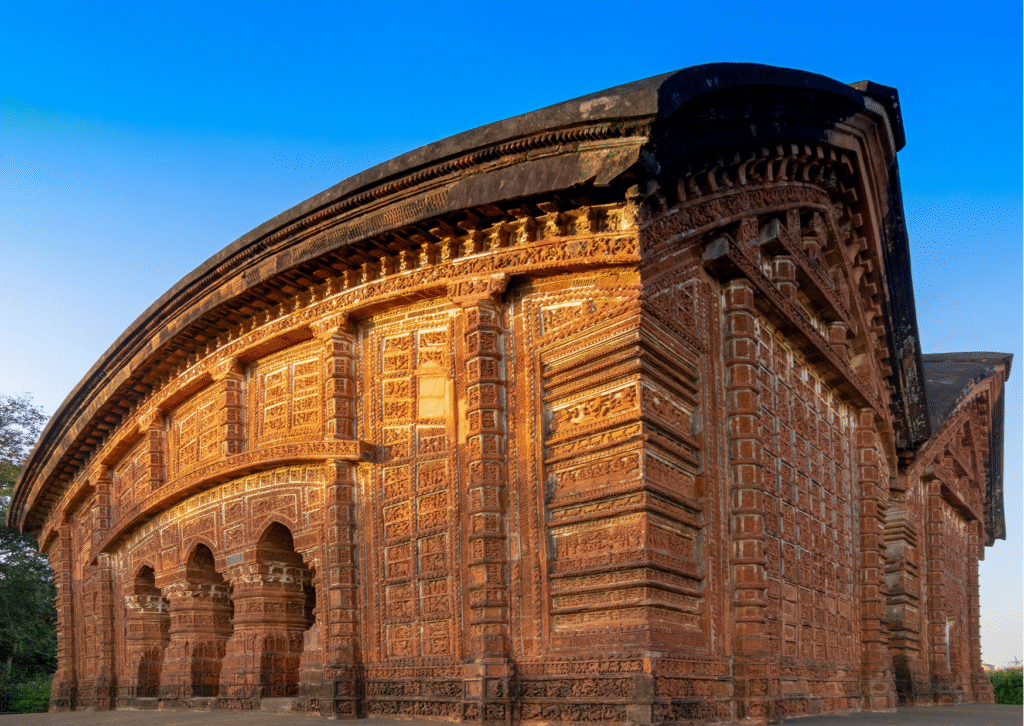
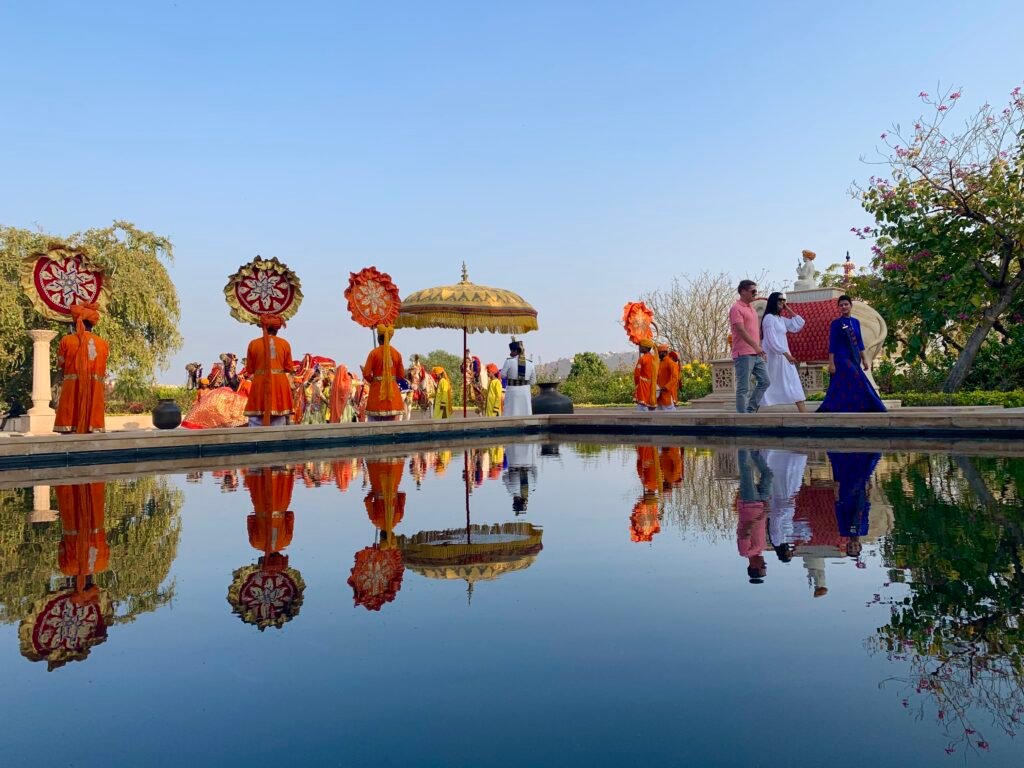
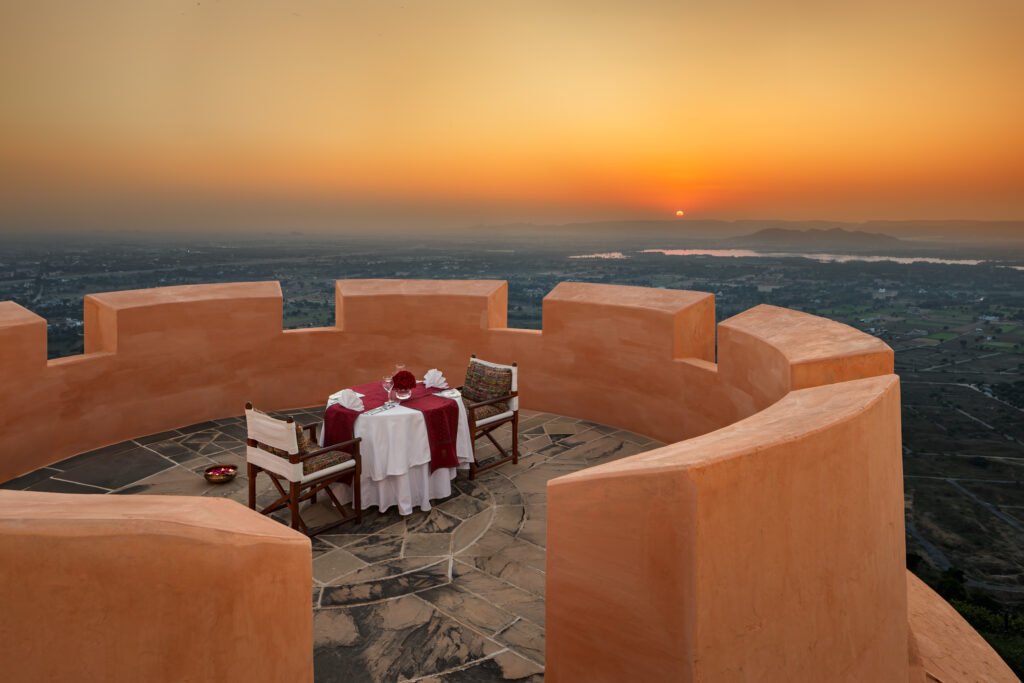
Rajasthan is extraordinary for families drawn to heritage and adventure. The forts, the colours, the wildlife, and the cultural richness offer an immersive experience that engages children and adults with equal intensity.
A well-curated Rajasthan journey can move from a palace hotel to a leopard safari to a private artisan visit within the same week.
The Maldives offers a different kind of magic. Stillness, warmth, and the simple pleasure of being together in a place where the most demanding decision is whether to swim before or after lunch.
For families that need to reconnect after a busy year, few places do it more gently.
You can explore these and other extraordinary destinations to begin imagining what your family’s journey might look like.
The Mistakes Families Make
- The most common mistake is trying to do too much. A packed itinerary might look exciting on paper, but it leaves no room for the spontaneous moments that families remember most.
The best days often include a generous stretch of unplanned time.
- Another frequent misstep is ignoring generational needs in favour of majority rule. If the majority of the family wants to hike, it is assumed that everyone will come along.
But forcing participation creates resentment, and the goal of togetherness is lost entirely.
- Booking without expert guidance is perhaps the costliest error. Not in financial terms, but in experience.
Without someone who understands the nuances of traveling with children and elderly family members simultaneously, small oversights become large frustrations.
Why Curation Is the Real Gift
When a family holiday has been thoughtfully curated, the person who usually holds everything together finally gets to let go.
That is the real gift of expert planning. Not the suite or the private transfer, but the feeling that someone else has thought of everything so that you can simply be present with the people you love.
Designing a journey that feels effortless for everyone involved often begins with the right guidance. And the earlier that conversation starts, the more personal the result becomes.
If you are beginning to imagine a journey that brings your family together in a meaningful way, we would love to hear what you have in mind.
Speak to our family travel specialists.
Frequently Asked Questions
What is multi-generational luxury travel?
It refers to premium, curated travel experiences designed for families spanning two or more generations, where every age group’s comfort, interests, and pace are thoughtfully accounted for.
How do you plan a trip for different age groups?
The best approach involves designing parallel experiences that allow different generations to enjoy activities suited to their interests, with shared moments built into the itinerary for family connection.
What destinations are best for multi-generational family travel?
Italy, Rajasthan, and the Maldives are among the most popular choices, each offering a blend of culture, relaxation, and variety that naturally accommodates families of all ages.
Is concierge planning worth it for families?
Absolutely. Expert curation removes the logistical burden from the host, ensures accessibility and comfort for every generation, and transforms a complex trip into a seamless, stress-free experience.
How far in advance should a multi-generational trip be planned?
For peak seasons and premium properties, six to twelve months is recommended.